
The Colosseum is in the historic center of Rome, Italy, and it’s surprisingly easy to reach because it sits right on top of a major public-transport corridor. For most first-time visitors, the best option is the Metro: it’s fast, inexpensive, and avoids traffic bottlenecks around central Rome. If you want a more scenic ride or you’re staying nearby, bus or tram can be convenient. Taxis are best when comfort matters most (heavy luggage, tight mobility needs, late night), but they can be slow close to the center.
A simple way to plan your arrival: aim for the Colosseo area, then do a short walk to the entrances and security lines.
How to get to Colosseum by Train
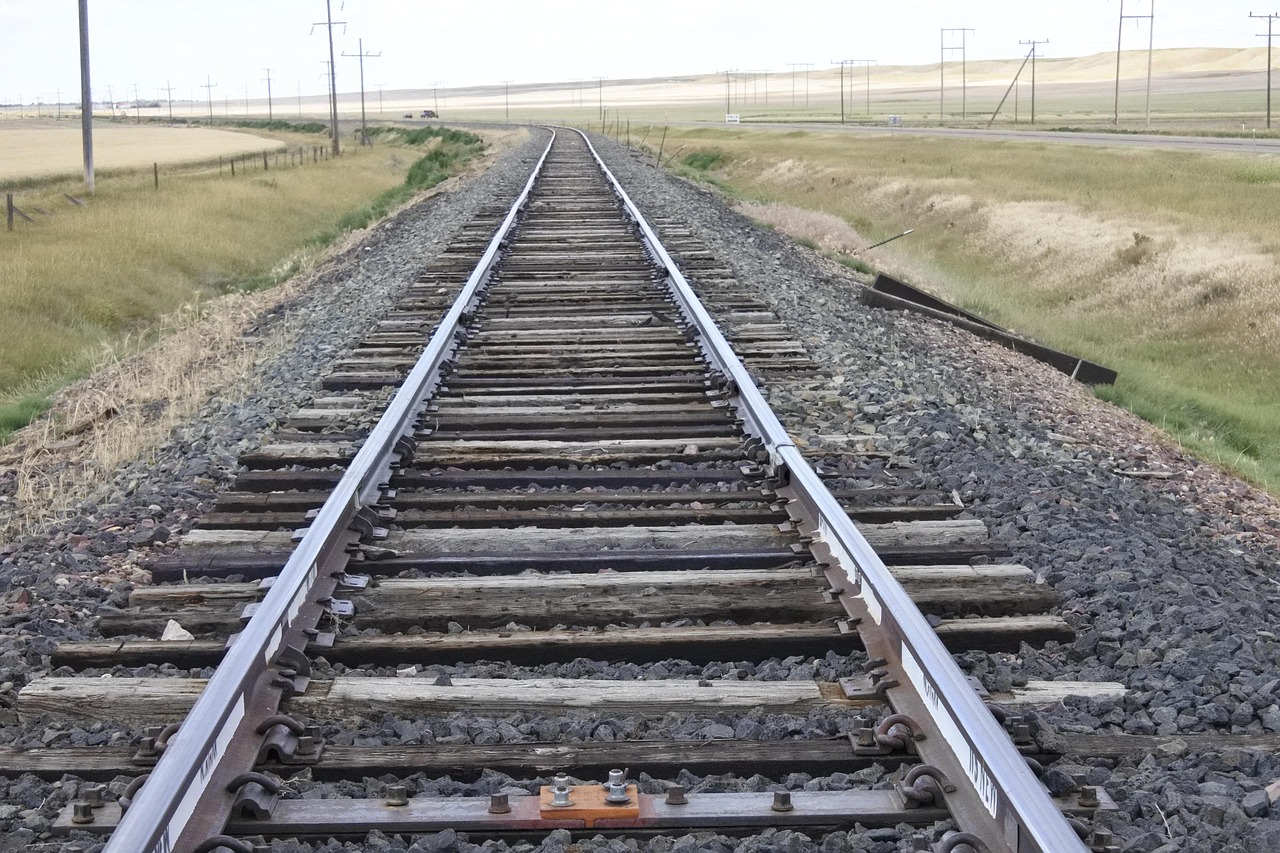
In Rome, “by train” usually means the Metro (subway) for city travel. It’s the most straightforward way to reach the Colosseum because there’s a station essentially at the site.
Best and easiest stop: Colosseo (Metro)
Colosseo station is the classic choice because it puts you right in the Colosseum area. For most visitors, this is the simplest “arrive and walk a few minutes” option.
Useful nearby alternatives
Depending on where you’re staying and how crowded things are, you might find other nearby stations useful:
- Cavour (walkable to the Colosseum area, often used when routing from certain neighborhoods)
- Circo Massimo (helpful if you’re approaching from the south/river side and don’t mind a longer walk)
You don’t need to memorize routes in detail. The most practical approach is choosing the route with fewer transfers from your hotel. In a city like Rome, a “slightly longer ride but simpler transfer” usually feels easier than the “shortest” route with complicated station changes.
Why Metro is usually the best choice
- Reliable timing: traffic around the Colosseum can be slow, especially late morning to early evening.
- Easy for first-timers: the Colosseo stop is well known and commonly shown on maps and signage.
- Budget-friendly: typically much cheaper than taxis in central Rome.
What to expect
Metro access is generally simple, but central stations and trains can get busy in peak tourist season. If you’re traveling with large luggage, consider that some stations have stairs and corridors; a taxi might feel easier if you’re coming straight from a hotel checkout with bags.
How to get to Colosseum by Bus
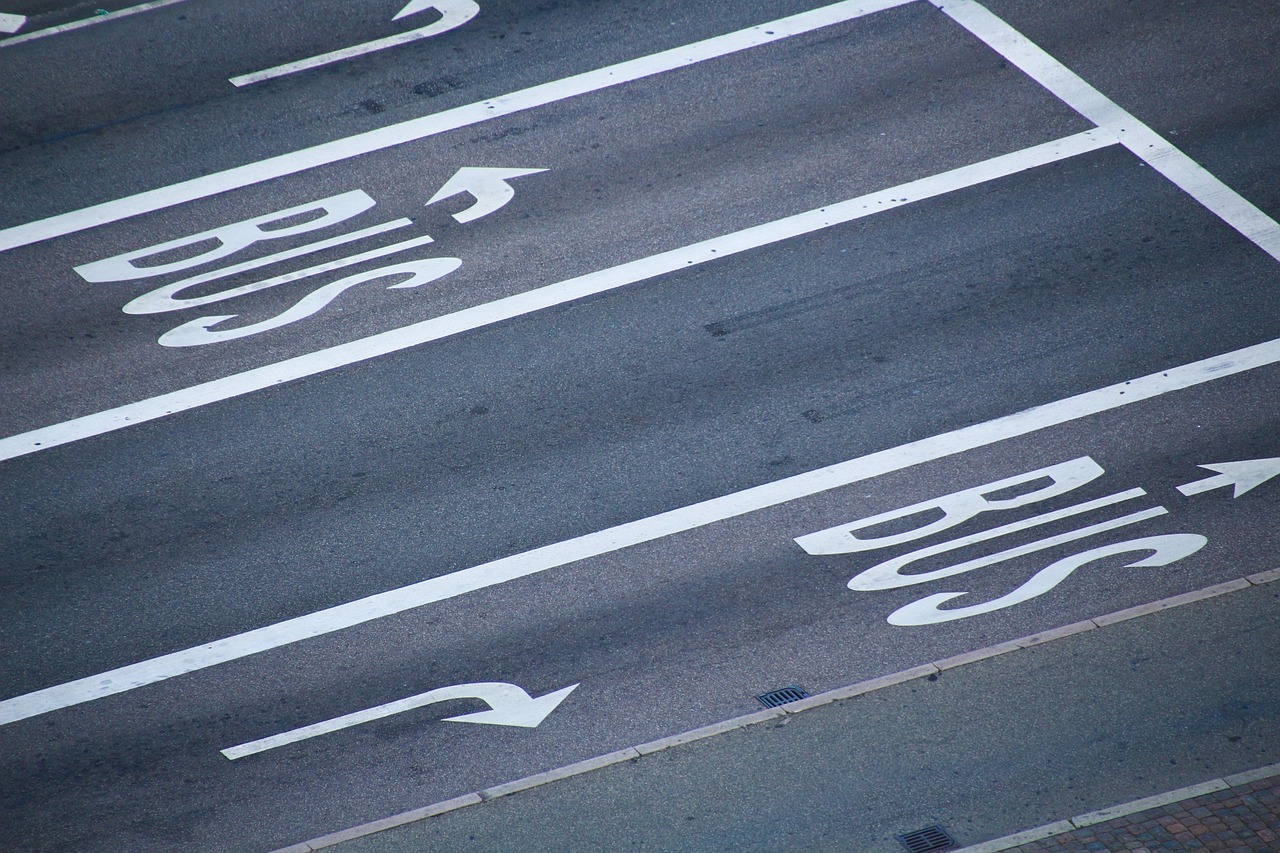
Rome’s buses (and a few tram options in the wider center) can be a good way to reach the Colosseum, especially if you prefer staying above ground and seeing the city as you go.
Why bus can be a good choice
- Scenic approach: you’ll see neighborhoods and landmarks en route rather than traveling underground.
- Convenient for nearby areas: if your accommodation is on a direct route, bus can be a simple “one-seat ride.”
- Flexible coverage: buses reach areas that aren’t always as convenient by Metro.
Trade-offs to keep in mind
- Traffic and delays: central Rome congestion is common, and it gets worse during rush hours and high visitor periods.
- Detours: road works, events, and security measures sometimes cause temporary route changes.
- Crowding: busy routes near the center can fill up quickly.
Best way to use the bus
Treat buses as a “get me into the Colosseum neighborhood” tool rather than a precision arrival method. If you have a timed entry or you need to meet someone at a specific time, Metro is usually more predictable.
A practical strategy many travelers use is: Metro in one direction, bus back. Metro gives you a reliable arrival; bus gives you a relaxed, above-ground ride when you’re not racing the clock.
How to get to Colosseum by Taxi

Taxis (and ride-hailing services, where available) are the easiest door-to-door option and can be a smart choice in specific situations. Around the Colosseum, the key issue is that roads can be crowded and sometimes partially restricted, so drivers may drop you a short walk away from where you imagined.
When taxi is a great choice
- You’re traveling with heavy luggage or mobility concerns.
- You’re moving as a small group and can split the fare.
- You’re going very early or late when public transport is less frequent.
- You want the simplest “no transfers” experience.
What to expect near the Colosseum
- Slow final approach: traffic in the historic center can turn short distances into longer rides.
- Drop-off may vary: depending on road conditions, the driver may stop at the nearest convenient point.
Taxi tip that helps
Instead of only saying “Colosseum,” you can mention the Colosseo area or a nearby landmark like Piazza del Colosseo. It helps communicate that you want the closest practical drop-off, while still accepting that the last few minutes might be on foot.
How to get to Colosseum by From the Airport

Rome has two airports commonly used by international tourists: Fiumicino (FCO) and Ciampino (CIA). Your best choice depends on what you prioritize: speed, simplicity, or cost.
From Fiumicino Airport (FCO)
FCO is the main international hub. Most visitors choose between:
- Train-based routes into the city (often the most predictable for timing)
- Taxi/private transfer (the simplest door-to-door option)
A common pattern is to take an airport train into Rome’s main rail hub area, then switch to the Metro for the Colosseo stop. This tends to be reliable because it avoids road traffic for most of the journey.
A taxi from FCO is comfortable, especially with luggage or family, but travel time can vary widely depending on traffic. Rome typically has official taxi systems and airport-to-city fare structures; if cost certainty matters, check the current official rates when you arrive.
From Ciampino Airport (CIA)
Ciampino is smaller and often used by low-cost carriers. The typical options are:
- Bus/coach connections to central Rome, then Metro to the Colosseum area
- Taxi/private transfer, which can be quick when traffic is light
CIA routes can be very straightforward, but coaches are still affected by traffic once they reach the city. If you’re landing during busy hours and want predictable timing, plan extra buffer time.
Airport planning tip
If the Colosseum is your first stop after landing, choose the option that minimizes transfers and keeps timing predictable:
- Public transport usually wins for reliability.
- Taxi usually wins for comfort and simplicity.
Comparison table

| Option | Best for | Convenience | Time reliability | Comfort with luggage | Typical cost |
|---|---|---|---|---|---|
| Train (Metro) | Most first-timers, timed plans | High | Very high | Medium | Low |
| Bus/Tram | Scenic ride, direct routes nearby | Medium | Medium | Medium | Low |
| Taxi / ride-hail | Comfort, groups, heavy bags, late night | High | Medium–low (traffic) | High | High |
| From FCO (train + Metro) | Predictable timing, budget-minded | Medium–high | High | Medium | Medium |
| From FCO/CIA (taxi) | Door-to-door simplicity | High | Medium | Very high | High |
FAQ

Which Metro station is closest to the Colosseum?
Colosseo is the most convenient stop for most visitors.
Is the bus a good option for first-time visitors?
Yes if you’re not rushing and you enjoy an above-ground ride. If timing matters, Metro is usually more reliable.
Should I take a taxi to the Colosseum?
It’s comfortable, but traffic near the historic center can be slow. Taxis are best when comfort matters more than speed.
What’s the easiest option from the airport?
For most travelers, airport public transport into central Rome + Metro to Colosseo is the easiest balance of reliability and cost. If you have heavy luggage, a taxi can be simpler.
How much walking should I expect?
Even with the closest transport options, expect a short walk at the end due to pedestrian zones, crowds, and drop-off constraints.
Sources: Official website of https://www.thecolosseum.org/